
Iran
-
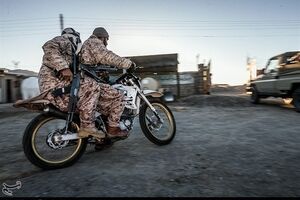
IRGC Smashes Terrorist Team Southeast of Iran
The Islamic Revolution Guards Corps (IRGC) announced the destruction of a terrorist team in Iran’s southeastern Sistan and Balouchestan Province, saying two members of the group were killed in a joint mission.
-
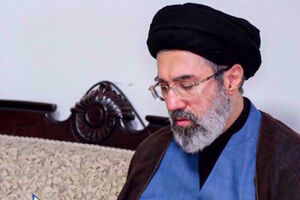
Iran's supreme leader:
Key to solving economic issues lies in domestic production
Leader of the Islamic Revolution Ayatollah Seyyed Mojataba Khamenei hailed the administration of President Masoud Pezeshkian for handling the people’s needs amid the US-Israeli aggression and blockade, urging increased domestic production and eliminating the US dollar from transactions.
-
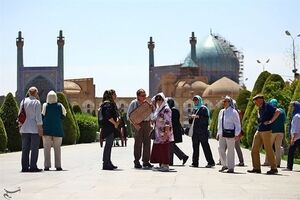
Iran Pushes for Tourism-Focused BRICS Cooperation
Iran is seeking to turn tourism into a major pillar of economic cooperation among BRICS members, with Tehran proposing the creation of a BRICS Tourism Infrastructure Development Fund to attract investment and support joint projects.
-
Iran demands the immediate return of its captive pilots from Qatar
The head of the Missing-in-Action Search Committee of Iran’s Armed Forces General Staff has warned about the poor physical condition of Iranian pilots held in Qatar, urging the International Committee of the Red Cross (ICRC) to send an air ambulance to transfer them to Iran.
-
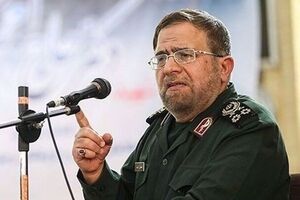
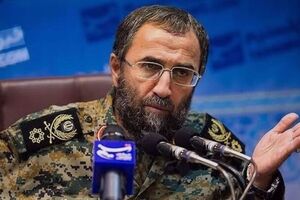
IRGC deputy chief:
Iran defeated its enemy with spending minimal warfare amount
A senior commander of the Islamic Revolutionary Guards Corps (IRGC) says Iran managed to defeat its enemies while spending only "one-hundredth" of the amount the enemy spent on weapons and war.
-
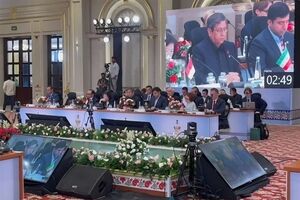
Iran Calls for Practical BRICS Cooperation on Finance
The governor of the Central Bank of Iran called for stronger practical cooperation among BRICS members in monetary and financial affairs, stressing that closer coordination can help promote economic stability, trust and sustainable development.
-
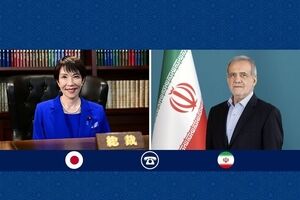
Pezeshkian:
Iran not acted outside international law
President Masoud Pezeshkian told Japan's prime minister on Wednesday that Iran had "in no way acted outside international law," blaming the United States and Israel for destabilizing the region.
-
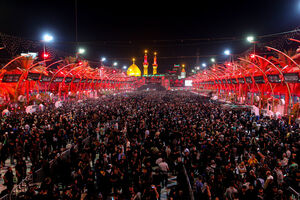
Iran, Iraq stress bolstering joint border security in Arbaeen
Officials from Iran and Iraq have emphasized the need to strengthening the joint border security during Arbaeen rituals.
-
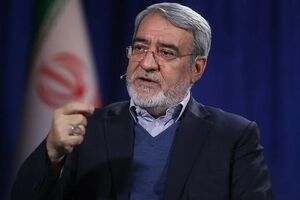
Envoy to China:
Iran not trust enemy due to its reneging on commitments
The Iranian ambassador to China has emphasized Iran is committed to negotiations but does not trust the United States due to Washington’s reneging on its commitments.
-
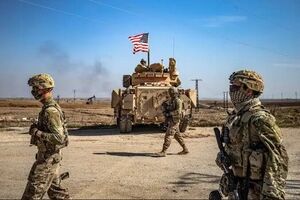
What happens in case of American ground invasion of Iran?
A ground invasion of Iran, contrary to the assumptions of Washington's war advocates, would drag the United States into a war of attrition and a quagmire worse than Vietnam.