
Ghalibaf Details Rigid Framework for Post-War Diplomacy, Honoring Legacy of Martyr Leader
No Trust in Enemy Promises
Addressing the formal opening session of the legislature, Iran's Parliament Speaker Mohammad-Baqer Ghalibaf declared that Iranian diplomats hold absolutely no trust in the promises of the enemy, maintaining that the legislative branch will refuse to endorse any diplomatic agreement unless the concrete rights of the Iranian nation are tangibly and verifiably secured.
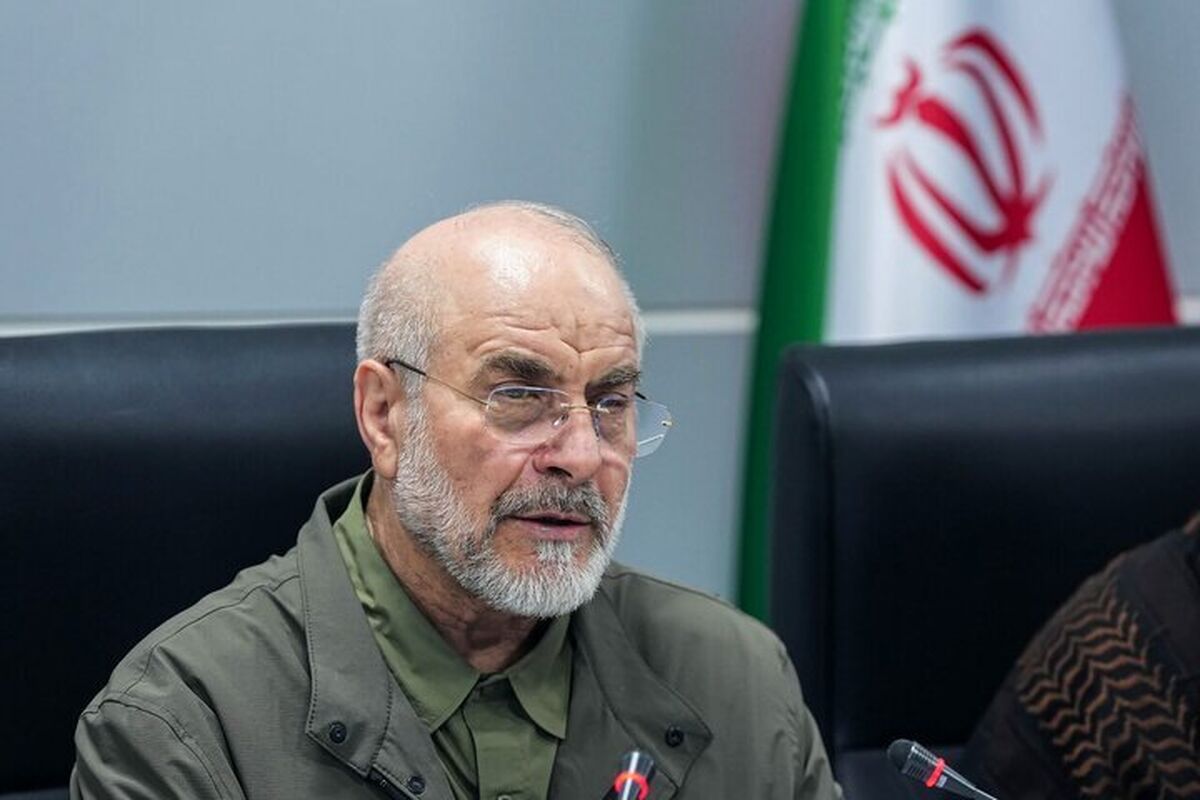
Delivering his extensive pre-agenda address, Ghalibaf marked the commencement of the legislative year by paying a solemn, deeply analytical tribute to the late Leader of the Islamic Revolution, Ayatollah Ali Khamenei. Ghalibaf maintained that through 37 years of strategic governance, the martyred leader effectively laid the structural, ideological, and physical foundations for a strong, highly independent, and resilient Iran. This visionary leadership left a permanent doctrine that explicitly forbids any submission to geopolitical bullying and foreign coercion. He noted that the contemporary expressions of Iranian power—ranging from tactical naval operations to strategic missile deployments and regional deterrence—stand as the direct institutional result of the martyred leader’s defense architecture and visionary command, which successfully shielded the country through intense historical crises.
Shifting the focus directly toward international diplomacy, active post-war negotiations, and potential engagement with Western powers, Ghalibaf outlined the country’s rigid and uncompromising criteria for evaluating potential diplomatic frameworks, particularly regarding comprehensive negotiations involving the United States. Ghalibaf stated that those managing the nation's diplomatic front operate with complete skepticism toward verbal assurances or unsigned political commitments, framing objective, measurable, and verifiable outcomes as the sole standard for Iranian compliance. He maintained that the central purpose of diplomacy in the current ceasefire era is to systematically translate field victories and defensive achievements into binding, long-term political and legal assets that benefit the nation's economy.
Concluding his strategic address, Ghalibaf issued an explicit, legally binding directive regarding the state's stance on pending diplomatic accords, warning that Iran will not honor or validate any comprehensive agreement without first receiving absolute, undeniable guarantees that its national rights, including full sanctions relief, have been practically realized. He maintained that while the country remains fully prepared to execute its reciprocal commitments once these parameters are met, the parliament will exercise its strict, constitutionally mandated oversight to ensure that any future framework remains strictly grounded in verifiable, concrete concessions rather than abstract international promises.