
Pezeshkian rejects Trump’s claims on Iran unrest casualties
President Masoud Pezeshkian has dismissed claims by US President Donald Trump regarding casualty figures from recent unrest in Iran, saying that any doubts about Tehran’s official data must be supported by evidence.
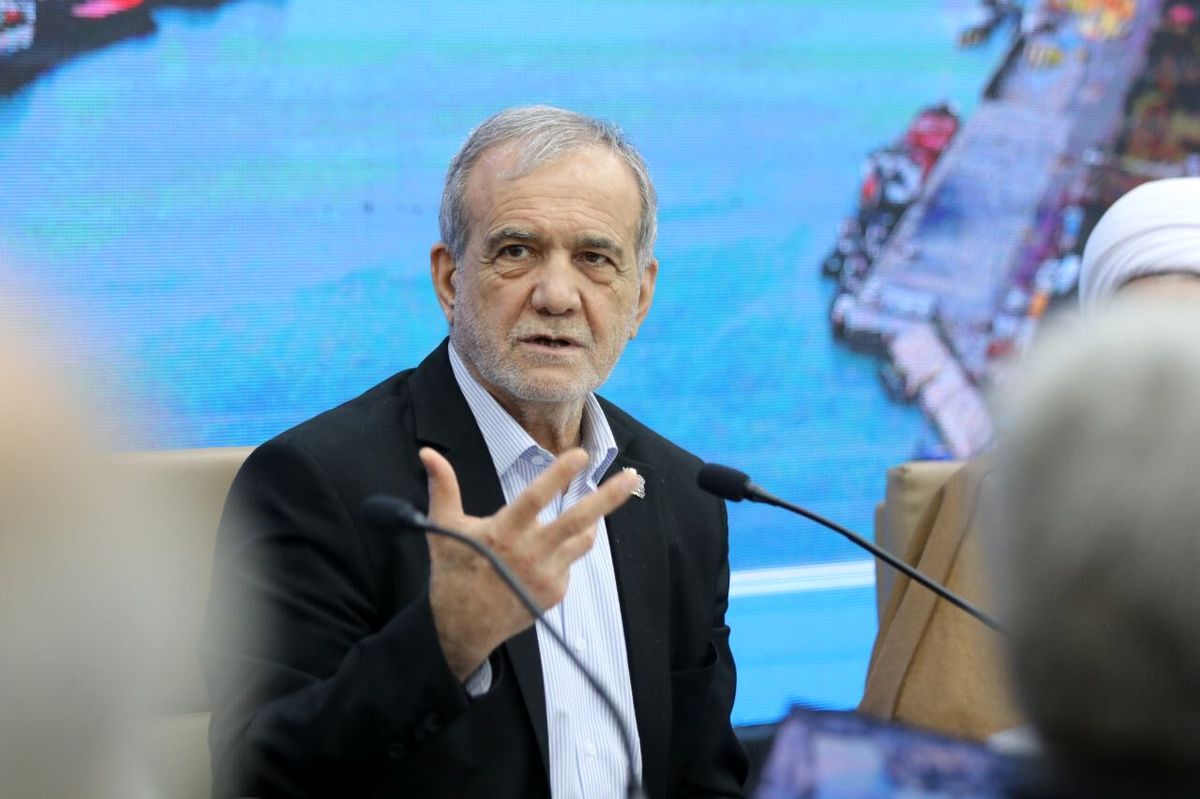
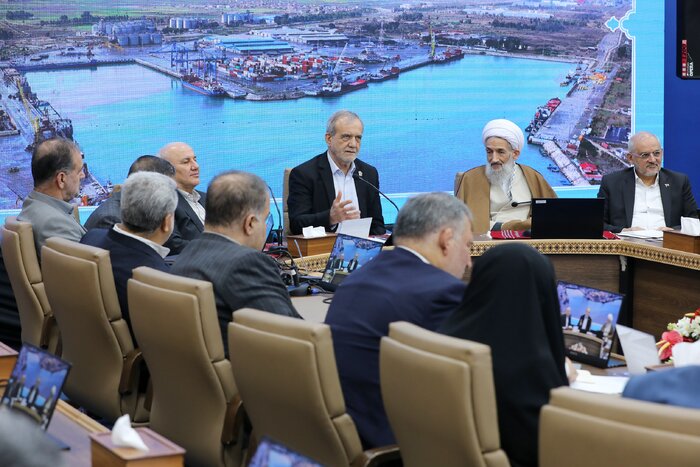
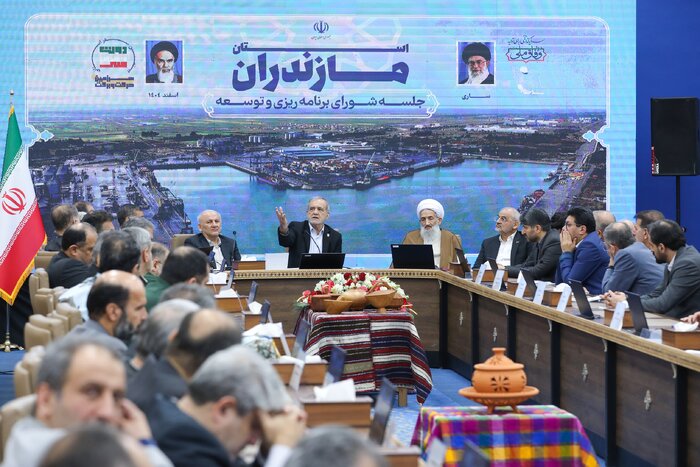
Speaking to provincial officials in Mazandaran province on Thursday, Pezeshkian rejected the US president’s claim that 32,000 people were killed in the January protests, adding that the official statistics regarding the victims have been released, including their national ID numbers, and emphasized that anyone alleging a higher death toll must provide documented evidence.
The president also noted that over 2,000 of the victims are considered martyrs, among whom more than 300 were security forces dedicated to defending the country’s security and were not participating in the protests.
The office of the president of Iran had earlier released the identities of 2,986 victims, compiled by the Iranian Legal Medicine Organization and cross-checked with the National Organization for Civil Registration of Iran, as part of a transparency and accountability policy ordered by President Pezeshkian.
Pezeshkian highlighted that during recent foreign-backed riots, over 350 mosques and 300 schools were set on fire, describing such actions as attempts to topple the system rather than peaceful protests.
He emphasized, “It is important to differentiate between peaceful protest and violent action. Someone who picks up a Molotov cocktail or a weapon with the intent to attack and destroy does not belong within the framework of peaceful protest. A person who attacks law enforcement or security forces and martyrs them is not a protester but is following a different path.”
Recently, foreign-backed terrorists and trained mercenaries hijacked peaceful protests in Iran to advance the objectives of the enemy. They touched off riots, vandalized public property, and tried to incite discontent.
Elsewhere in his remarks, Pezeshkian cited the remarks of the Leader of the Islamic Revolution, Ayatollah Seyyed Ali Khamenei, about the point that Iran will not seek nuclear weapons, stressing, “This position is grounded in our religious and jurisprudential beliefs, rather than being a changeable political tactic. While a politician may speak based on expediency, a religious leader cannot contradict their faith and religious decree. When such a position is announced, it means the path to nuclear weapons is fundamentally rejected.”
Referring to the assassination of over 28,000 people in Iran, including the president, Friday prayer leaders, and scientists, he said that the purpose of these assassinations is to deprive the country of skilled and capable individuals. The enemy aims to disrupt progress and undermine public trust by eliminating influential figures, he added.