
Former Iranian diplomat:
Trump and His Team Seeking Results in Talks, Iran Prefers Negotiations to War
A former Iranian diplomat said U.S. President Donald Trump and his team appear intent on reaching results in the current round of negotiations, stressing that Tehran has consistently preferred dialogue over conflict.
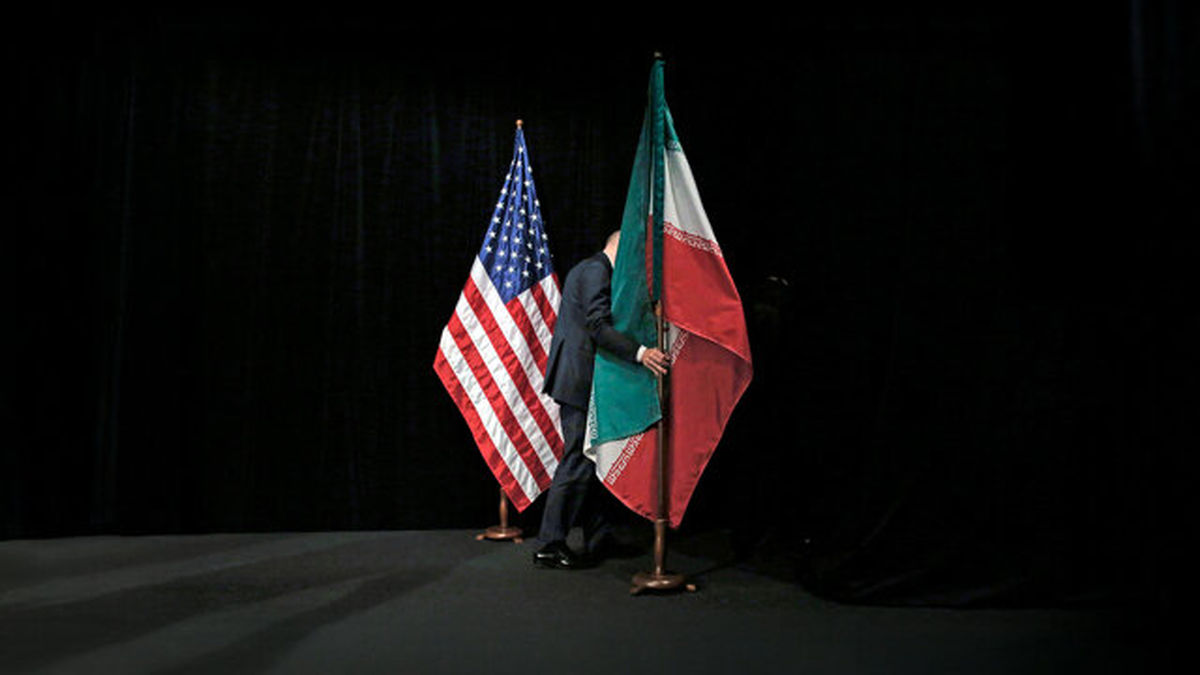
In an interview with ISNA, Seyed Ali Saghayian said, “Trump and his team in this round of negotiations are seeking to achieve a result. We have always declared that we have not left the negotiating table and that we prefer negotiations to war.”
His remarks came as the second round of indirect Iran–U.S. talks was held in Geneva with the facilitation of Oman’s foreign minister, despite what the report described as continued U.S. military and logistical pressure against Iran.
Following the talks, Iranian Foreign Minister Seyed Abbas Araghchi said, “We had good discussions.” He added that compared to the previous round, “serious issues were raised and there was a more constructive atmosphere,” with various proposals presented and discussed in detail.
Araghchi said the two sides ultimately reached a general understanding on “a set of guiding principles” that would serve as the basis for moving toward drafting a potential agreement. “This does not mean that we can reach an agreement quickly,” he said, “but it means the path has begun, and we hope it will conclude as soon as possible. We are prepared to devote sufficient time to it.”
Meanwhile, U.S. Vice President J.D. Vance said negotiations with Iran had “in some ways gone well,” while asserting that Washington has clear red lines and that its primary objective is to prevent Iran from acquiring a nuclear weapon.
Despite expressions of relative satisfaction from both sides regarding the Geneva talks, the United States has continued to deploy and reinforce military forces in the region, while maintaining what was described as a “carrot and stick” approach accompanied by threatening rhetoric.
Saghayian said Iranian diplomats possess extensive experience in negotiating with the United States, describing it as “a very valuable asset.” Since the beginning of the nuclear issue and the subsequent sanctions, he noted, Iran has held more than 400 rounds of talks with U.S. counterparts, most notably during the administration of former President Hassan Rouhani, which resulted in the Joint Comprehensive Plan of Action (JCPOA).
He added that despite what he described as U.S. breaches of commitments, indirect negotiations resumed earlier this year. Referring to Trump as a “gambler,” Saghayian claimed he had previously “overturned the table” and ordered strikes on Iran’s nuclear facilities. At present, he said, Iranian military and security forces remain on alert, “their hands on the trigger,” while at the same time Iran continues to prefer negotiations over war and has not left the negotiating table.
The former diplomat said that despite repeated U.S. breaches of trust, Iran’s leadership decided once again to engage in talks while emphasizing its nuclear rights. He also referred to recent remarks by Iran’s Supreme Leader in response to U.S. military threats, saying their effects had been observed.
Commenting on the composition of the negotiating teams in Geneva, Saghayian said that although the U.S. side was represented by two individuals, Trump remained in constant contact with his advisers. Given what he described as heavy psychological pressure against Iran in the region, he said the United States appears determined to reach an outcome and that this round of talks seemed more serious than the previous one.
Saghayian stressed that the use of peaceful nuclear energy is Iran’s right. He accused the Israeli regime of spreading misinformation and fake news in an effort to influence the U.S. side and alter the course of negotiations. “In this round, however, it appears that Trump is seeking results,” he said, expressing hope that Trump’s executive team and advisers would not be influenced by what he called negative inducements and false narratives.
He concluded that Trump and his advisers must make the right decision and recognize that Iran’s nuclear rights are acknowledged under the Nuclear Non-Proliferation Treaty (NPT). “This is our legitimate demand,” Saghayian said, adding that Iran requires nuclear energy for peaceful purposes, particularly in the medical and therapeutic fields.